
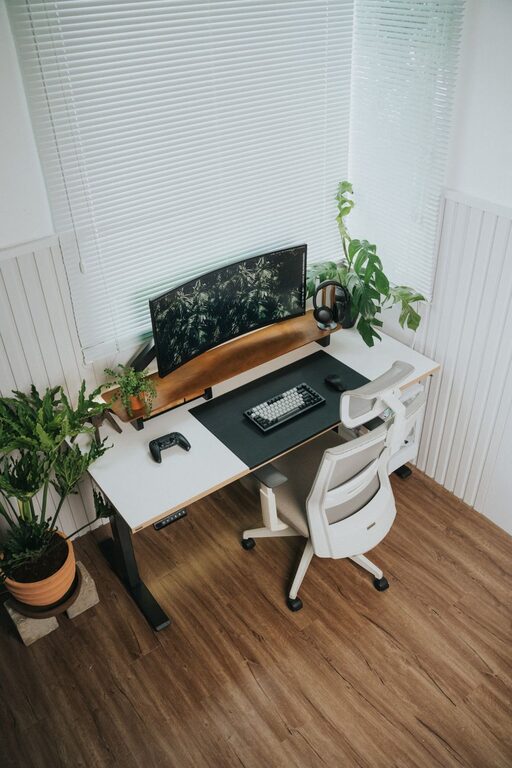
Working from home has become a common part of many people’s lives, making the home office an essential space. Whether you’re working remotely full-time or need a dedicated area for occasional tasks, creating a productive home office can help you stay focused and feel motivated. In this post, we’ll share practical tips to design a workspace that supports your best work with comfort and efficiency.
1. Choose the Right Location
Your home office should be in a spot where you can work with minimal distractions. If possible, select a quiet room with a door to help set boundaries between work and home life. Natural light is a bonus—it can boost mood and energy. If a separate room isn’t available, find a cozy corner that feels private and comfortable.
Tips for Selecting Your Space:
– Avoid high-traffic areas like the kitchen or living room.
– Position your desk near a window for natural daylight.
– Consider the noise level around the space and ways to reduce it.
2. Invest in a Comfortable Chair and Desk
Comfort matters when you spend hours at a desk. Sitting in an uncomfortable chair can lead to back and neck pain, which hurts productivity. Choose an ergonomic chair that supports good posture and a desk at the right height.
What to Look For:
– Adjustable chair with lumbar support.
– Desk space that fits your work essentials without feeling cramped.
– Standing desks or desk converters if you prefer to alternate between sitting and standing.
3. Organize Your Workspace Efficiently
A cluttered desk can distract you and slow you down. Keep your workspace neat by organizing your essentials and removing unnecessary items. Use storage solutions that help you stay organized but also keep items within easy reach.
Organization Ideas:
– Use drawer organizers or boxes for small office supplies.
– Vertical shelves can save desk space while keeping important materials nearby.
– Cable management tools reduce tangled wires and create a clean look.
4. Optimize Lighting
Good lighting reduces eye strain and helps maintain alertness. Combine different light sources for the best effect.
Lighting Tips:
– Use a combination of natural light, overhead lighting, and a desk lamp.
– Aim for soft, warm lighting to reduce glare on your screen.
– Position your monitor to avoid reflections from windows or lights.
5. Personalize Your Space
Adding personal touches can make your home office inviting and inspiring. Items that reflect your personality help create a space where you enjoy spending time.
Ideas to Personalize:
– Add plants to bring in greenery and fresh air.
– Hang artwork or quotes that motivate you.
– Use colorful organizers or accessories that brighten the room.
6. Minimize Distractions
It’s important to have an environment that encourages focus. Identify common distractions and find ways to reduce them.
Ways to Reduce Distractions:
– Use noise-canceling headphones if necessary.
– Set clear working hours and communicate them with household members.
– Turn off unnecessary notifications on your phone or computer during work time.
7. Set Up Technology Thoughtfully
A well-functioning workspace includes tech that supports your work without frustration.
Tech Tips:
– Invest in a reliable computer or laptop that meets your needs.
– Use a second monitor if your work requires multitasking.
– Ensure your internet connection is fast and stable.
– Position your devices to keep cords organized and avoid clutter.
8. Incorporate Break Areas
While it may seem like a luxury, having space to take short breaks helps refresh your mind.
How to Create Break Areas:
– Place a small chair or cushion nearby for stretching or relaxation.
– Consider a spot for a cup of tea or quick snacks away from the desk.
– Use breaks for short walks to reduce fatigue.
9. Keep Your Workspace Clean
Regularly cleaning your workspace prevents buildup of dust and clutter, keeping the area pleasant and healthy.
Cleaning Tips:
– Wipe down surfaces daily.
– Organize papers and files weekly.
– Dispose of or recycle items that are no longer needed.
Conclusion
Creating a productive home office space is about more than just having a desk and chair. It’s about designing an environment that supports focus, comfort, and efficiency. By choosing the right location, investing in comfortable furniture, optimizing lighting, and organizing your tools thoughtfully, you can build a workspace that helps you do your best work every day. Remember that the perfect home office reflects your personal style and needs—don’t be afraid to experiment and adjust as you go.
With these tips in mind, you’re well on your way to a home office that feels just right and maximizes your productivity!