Creating a relaxing home workspace is essential for staying productive, especially when you spend long hours working from home. A comfortable, calm environment can reduce stress, improve focus, and help you feel more motivated. Whether you have a dedicated room or just a small corner, there are many ways to make your workspace both inviting and efficient.
In this post, we’ll share practical tips to design a relaxing home workspace that boosts your productivity without sacrificing comfort.
Why a Relaxing Workspace Matters
Before diving into the tips, it’s important to understand how your environment affects your work. When your workspace feels cluttered or uncomfortable, it’s easy to get distracted or feel overwhelmed. On the other hand, a space that promotes calmness can help you concentrate better and maintain energy throughout the day.
Choose the Right Location
Finding the perfect spot to work at home is the first step.
– Quiet area: Pick a place away from household noise and distractions whenever possible.
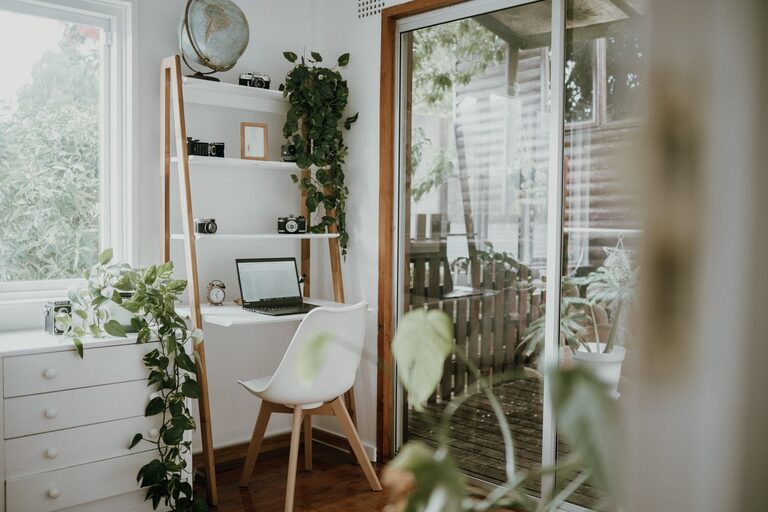
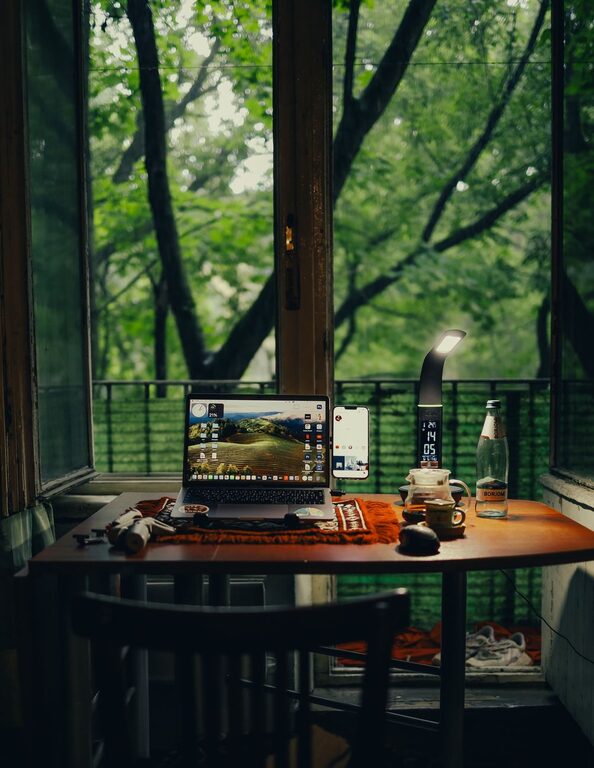
– Natural light: Position your desk near a window to benefit from daylight. Natural light improves mood and reduces eye strain.
– Ventilation: Fresh air keeps you alert. Avoid stuffy rooms or consider a small fan or air purifier.
Invest in Comfortable Furniture
Your chair and desk are the foundation of your workspace.
– Ergonomic chair: Choose a chair that supports your lower back and allows your feet to rest flat.
– Desk height: Your desk should let your arms rest comfortably at a 90-degree angle.
– Adjustable setup: If possible, try a sit-stand desk to change positions during the day.
Declutter and Organize
A tidy desk promotes a clear mind.
– Minimal essentials: Keep only the items you need frequently on your desk.
– Storage solutions: Use drawers, shelves, or organizers to store supplies.
– Regular cleaning: Set a weekly routine to declutter and clean your workspace.
Use Calming Colors and Decor
Colors affect mood and concentration.
– Soft colors: Opt for soothing tones like blues, greens, or neutrals.
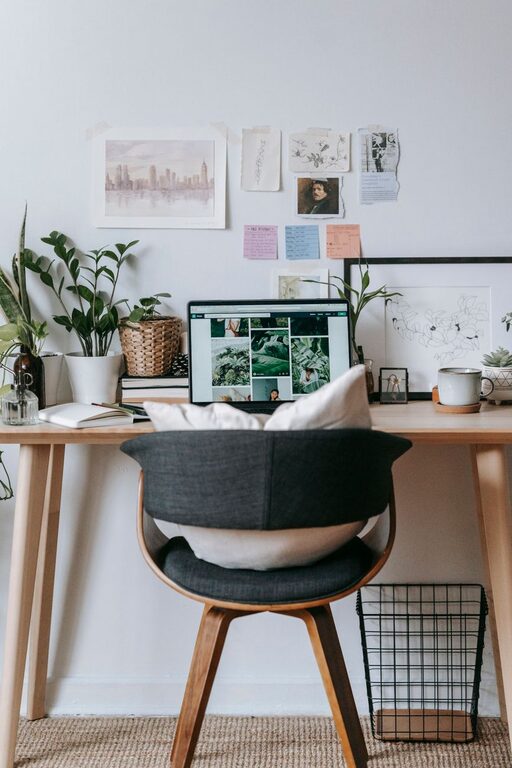
– Personal touches: Add a few items that make you feel relaxed, such as plants, photos, or artwork.
– Avoid overstimulation: Keep decorations simple so they don’t distract.
Incorporate Plants
Plants have many benefits for your workspace.
– Improve air quality: Some houseplants help purify the air.
– Reduce stress: Greenery can lower stress levels and boost relaxation.
– Visual appeal: Plants add life and color to your space.
Control Lighting
Good lighting reduces eye strain and keeps you alert.
– Layered lighting: Combine natural light with overhead and task lighting.
– Adjustable desk lamp: A desk lamp with adjustable brightness lets you direct light where you need it.
– Reduce glare: Position screens to avoid reflections from windows or lamps.
Minimize Noise Distractions
Quiet surroundings help maintain focus.
– Noise-canceling headphones: Use these to block distracting sounds.
– White noise: A fan or white noise machine can mask sudden sounds.
– Set boundaries: Let family know your work hours to reduce interruptions.
Create a Routine
A predictable routine helps your mind transition into work mode.
– Start with rituals: Simple actions like making a cup of tea or organizing your desk signal the start of your workday.
– Take breaks: Move away from your desk regularly to refresh your mind.
– End of day routine: Clear your workspace and plan tasks for tomorrow.
Use Technology Wisely
Tools should support productivity, not create distractions.
– Limit notifications: Turn off non-essential alerts during work hours.
– Organize digital files: Keep documents sorted for easy access.
– Use productivity apps: Timers, focus apps, or task managers can help you stay on track.
Prioritize Comfort and Wellness
Taking care of yourself improves work quality.
– Stay hydrated: Keep water nearby to drink throughout the day.
– Stretch frequently: Stretch or do light exercises to avoid stiffness.
– Mindfulness breaks: Practice deep breathing or short mindfulness exercises to reduce stress.
—
Creating a relaxing home workspace is about balancing comfort with efficiency. Small changes, such as improving lighting, organizing your materials, or adding plants, can make a big difference in your productivity and overall well-being.
Start with a few tips that fit your space and routine, and adjust over time to create a workspace where you enjoy spending your workday. A relaxed, focused environment is just a few steps away!