Creating a relaxing home workspace is essential for maintaining focus, reducing stress, and boosting productivity. Whether you work remotely full-time or occasionally need a quiet spot for tasks, your workspace environment plays a significant role in how well you perform and feel throughout the day.
In this article, we’ll share practical tips to design a comfortable, calming home workspace that will help you stay energized and productive.
Why a Relaxing Workspace Matters
When your work area is cluttered or uncomfortable, distractions and stress can build up. A thoughtfully arranged, soothing workspace encourages concentration and creativity. It also supports healthy habits and helps separate work time from personal time, which is especially important when working from home.
Choose the Right Location
Find a Quiet Spot
Select a place in your home with minimal noise and foot traffic. A corner of a spare room, a section of your bedroom, or even a well-organized nook can work well. The goal is to create a sanctuary where interruptions are rare.
Maximize Natural Light
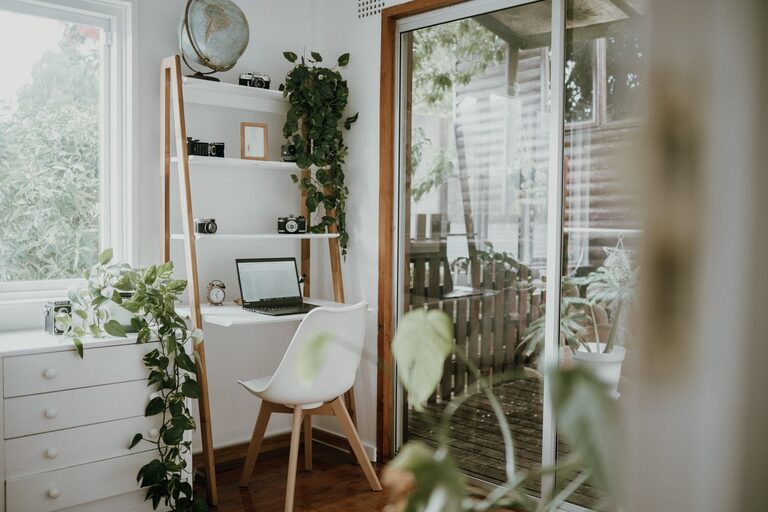
If possible, position your desk near a window. Natural light improves mood and alertness. If natural light is limited, invest in full-spectrum bulbs that mimic daylight to reduce eye strain and fatigue.
Focus on Comfort and Ergonomics
Invest in a Good Chair
A supportive, adjustable chair is key to avoiding back and neck pain. Look for one with lumbar support and adjustable height to suit your desk and posture.
Set Your Desk Height Properly
Your desk should allow your arms to rest comfortably at a 90-degree angle while typing. Screen height is also important; the top of your monitor should be at or slightly below eye level.
Use Accessories That Help
Consider a footrest, ergonomic keyboard, or mouse to improve comfort. Wrist rests and monitor stands can also make a big difference.
Declutter and Organize
Keep Only Essentials
A clutter-free desk reduces distractions and mental fatigue. Store supplies and documents you don’t use daily in drawers or cabinets.
Use Organizers
Desk trays, drawer dividers, and cable organizers help keep your workspace tidy. Labeling files and supplies speeds up finding what you need.
Maintain Regularly
Set aside time each week to tidy your workspace and reorganize as needed. This habit maintains a peaceful environment.
Personalize Your Space
Add Calming Elements
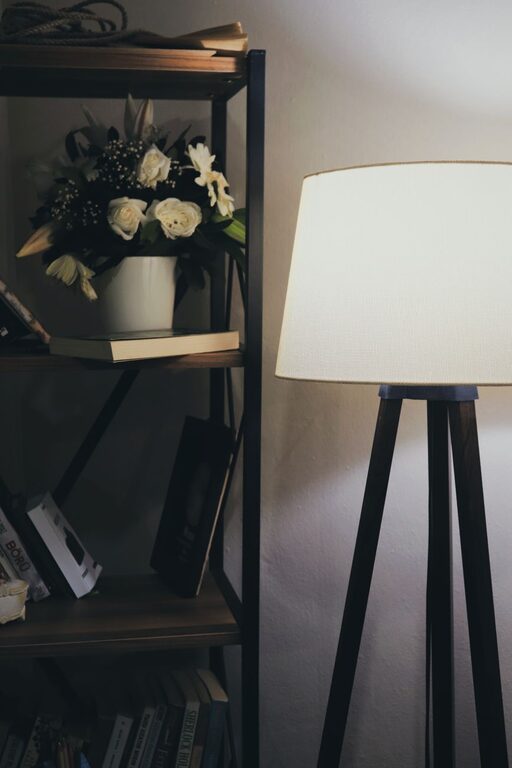
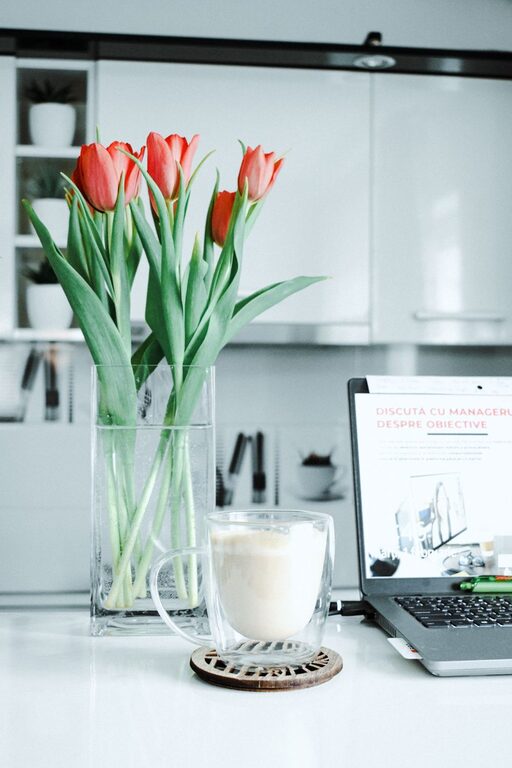
Incorporate plants, artwork, or photos that make you feel calm and inspired. Plants can improve air quality and bring a touch of nature indoors.
Choose Soothing Colors
Colors like soft blues, greens, or neutrals promote relaxation and focus. Avoid overly bright or distracting colors near your desk area.
Control Noise and Distractions
Use Noise-Canceling Headphones
If your home environment is noisy, quality headphones can help you concentrate. Listening to instrumental music or white noise can also improve focus.
Set Clear Boundaries
Communicate workspace rules to family members or roommates to minimize interruptions during work hours.
Maintain Good Lighting
Layer Your Lighting
Use a combination of overhead lights, task lamps, and natural light. Adjustable desk lamps allow you to control light intensity based on the task.
Avoid Glare
Position your screen to reduce glare from windows or lights. Anti-glare screen protectors may also help reduce eye strain.
Incorporate Break Spaces
It’s important to step away periodically to refresh your mind.
Create a Nearby Relaxing Spot
A comfortable chair or cushion nearby allows quick breaks without leaving your workspace. Use this area to stretch, meditate, or simply relax.
Use Timers or Apps
Reminders to take breaks encourage regular rest and avoid burnout. The Pomodoro technique, for example, involves working in focused bursts with short breaks in between.
Maintain Temperature and Air Quality
Keep Your Workspace Comfortable
Use fans, heaters, or air purifiers to maintain a pleasant temperature and clean air. Proper ventilation helps prevent fatigue and supports healthy breathing.
Final Thoughts
Designing a relaxing home workspace is about creating a balance of comfort, functionality, and personal touches. Small improvements to your environment can make a big impact on your productivity and well-being.
Start by focusing on comfort and organization, then add elements that make your space uniquely yours. Over time, a calming, well-planned workspace can help you work more efficiently and enjoy the process.