Working from home has become a common part of many people’s daily lives. Whether you’re a freelancer, a remote employee, or simply need a quiet place to tackle your tasks, having a relaxing and well-organized workspace can significantly improve your productivity and well-being. Creating a comfortable environment that minimizes stress and distractions helps you stay focused and motivated throughout the day.
In this post, we’ll share useful tips on how to design a home workspace that supports relaxation and productivity.
Why a Relaxing Workspace Matters
Before diving into the tips, it’s important to understand why the environment you work in influences your efficiency. A cluttered or uncomfortable space can cause stress, fatigue, and decreased concentration. On the other hand, a calm and inviting workspace can reduce anxiety and help maintain energy levels.
By prioritizing both comfort and functionality, you create a space where it’s easier to focus and produce quality work.
Choose the Right Location
Finding the right spot for your home workspace is the first step. Ideally, you want a quiet place away from heavy foot traffic and noise. Here are some pointers:
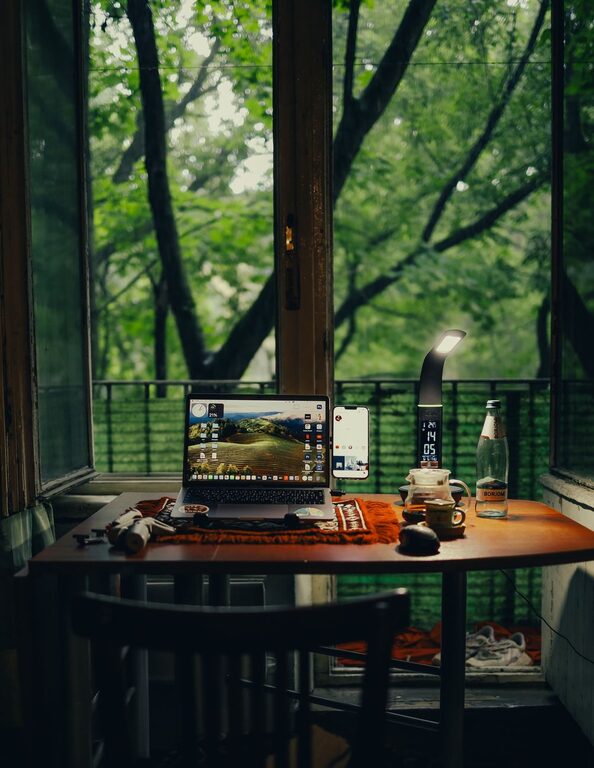
– Natural light: Look for a space near a window. Natural light boosts mood and alertness.
– Minimal distractions: Avoid places where family members or pets frequently pass through.
– Separate from relaxation areas: If possible, keep your work zone distinct from bedrooms or living rooms to help maintain a work-life balance.
Invest in Comfortable Furniture
Your desk and chair play a crucial role in both comfort and posture. Here’s what to consider:
– Ergonomic chair: Choose one that supports your lower back and allows your feet to rest flat on the floor.
– Adjustable desk: A desk at the right height prevents strain on your neck and wrists.
– Consider a standing desk or converter: Alternating between sitting and standing can reduce fatigue.
Comfortable furniture reduces the risk of aches and helps you work longer periods without feeling tired.
Declutter and Organize
A tidy workspace reduces distractions and helps you stay focused. Try these ideas:
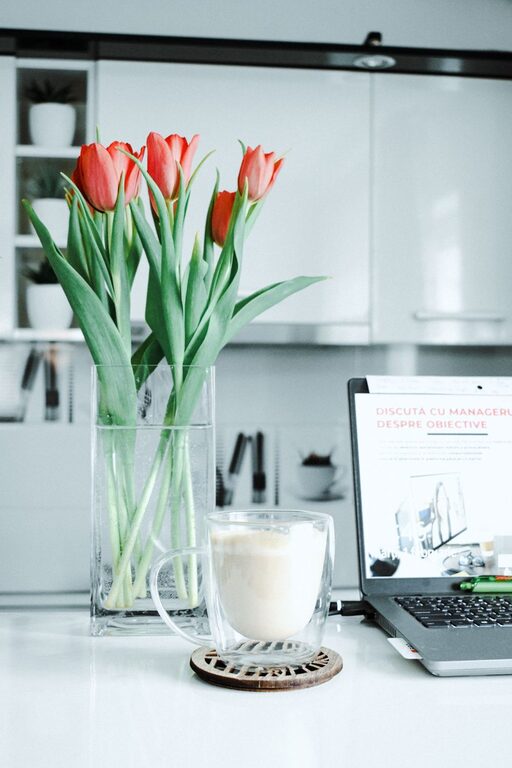
– Clear the desk: Keep only essentials on your desk, such as your computer, notepad, and a pen.
– Use organizers: Desk trays, drawers, or wall-mounted shelves can keep supplies neat.
– Cable management: Use clips or ties to organize cords and reduce mess.
Spending just a few minutes at the start or end of your day to tidy your space will make a big difference.
Incorporate Calming Elements
Bringing elements that promote relaxation can improve your mood and creativity:
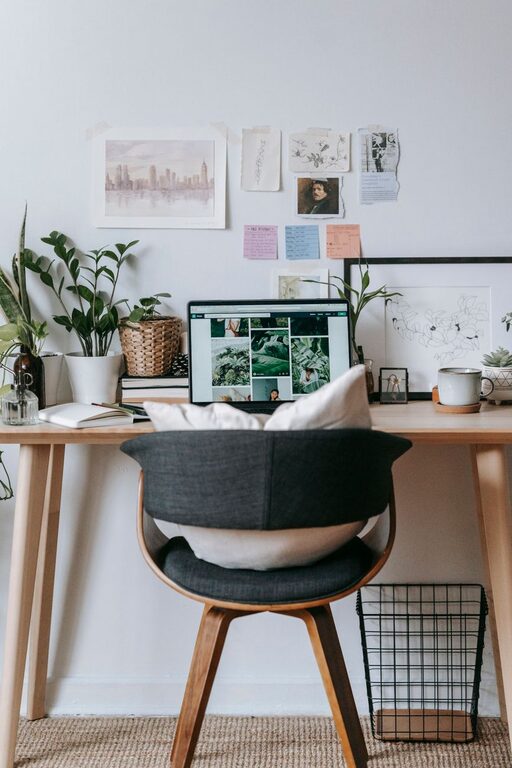
– Plants: Adding greenery not only improves air quality but also reduces stress.
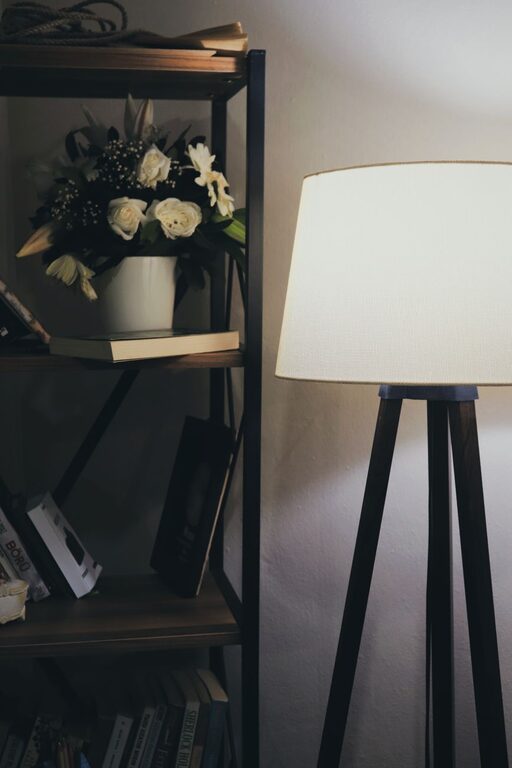
– Soft lighting: Use desk lamps or warm bulbs instead of harsh overhead lighting to create a soothing atmosphere.
– Personal touches: Photos, artwork, or other meaningful decorations make the workspace more inviting without causing distraction.
Balance decorative items with functionality to keep the space both pleasant and productive.
Maintain Good Air Quality
Fresh air and proper ventilation promote alertness and health:
– Open windows when possible: Letting air circulate helps prevent stuffiness.
– Air purifiers: They can reduce allergens and improve air quality, especially if you can’t open windows.
– Avoid strong scents: Some fragrances can be overwhelming and distracting; stick to light, natural smells if you use any.
Good air quality helps keep your mind clear and energy steady.
Establish Boundaries and Routine
Creating a relaxing workspace is also about how you use it:
– Set work hours: Define when you start and finish work to avoid burnout.
– Use noise-canceling headphones or background music: If noise is a problem, use tools to maintain focus.
– Take breaks regularly: Step away from your desk every hour to stretch or walk. This reduces stress and improves concentration.
Having a consistent routine and boundaries helps your brain associate the space with productivity, reducing stress.
Use Technology Wisely
The right tools can help streamline work without creating confusion:
– Declutter your desktop: Keep digital files organized.
– Notifications: Turn off non-essential alerts during focused work time.
– Ergonomic accessories: A quality keyboard and mouse can prevent strain and improve comfort.
Remember, technology should make work easier, not add stress.
Final Thoughts
Designing a relaxing home workspace takes a bit of thought and effort, but the benefits are well worth it. By choosing the right location, investing in comfortable furniture, staying organized, and incorporating calming elements, you create an environment that nurtures focus and well-being.
Take time to personalize your area and develop routines that support your productivity. With these tips, your home workspace can become a source of comfort and efficiency, helping you accomplish your goals each day.