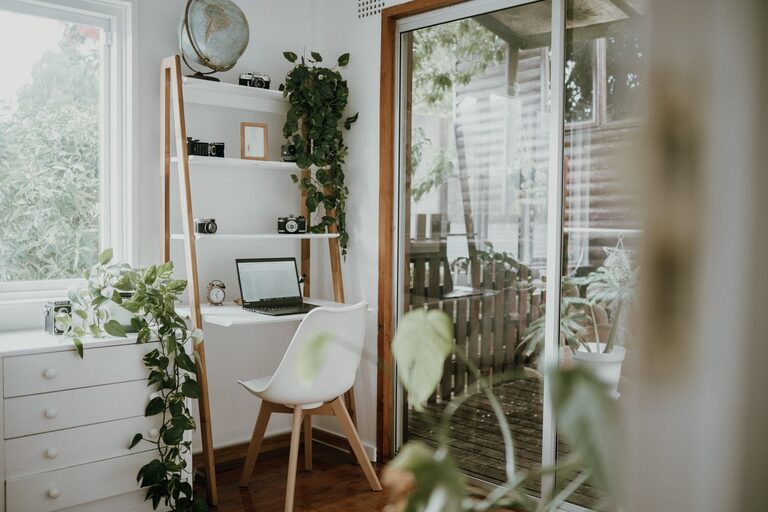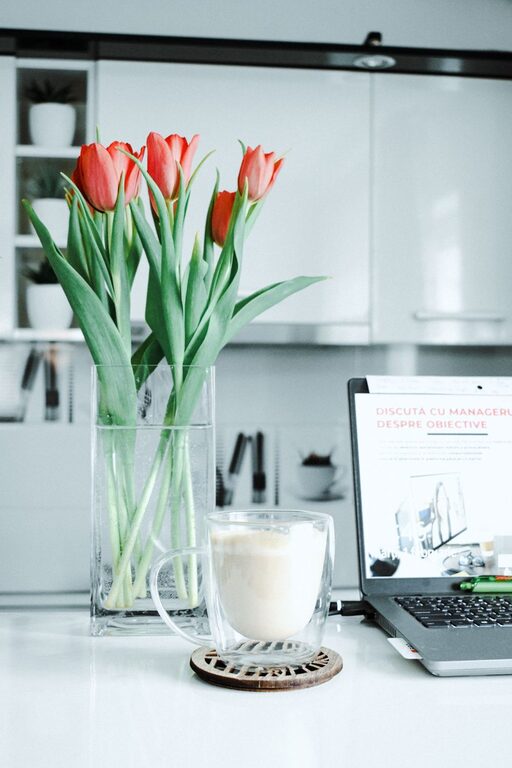

A well-organized workspace can make a significant difference in how efficiently and comfortably you work. When your desk is clutter-free and your tools are easy to access, you can focus better, complete tasks faster, and reduce feelings of stress. Whether you work from home or in an office, creating an inviting and orderly environment is a simple yet powerful way to improve your daily work experience.
In this post, we’ll explore practical tips to help you organize your workspace effectively. These strategies are easy to implement and can transform your work habits for the better.
Why Organizing Your Workspace Matters
Before diving into the tips, it’s helpful to understand why organization is key:
– Increases Focus: When your workspace is tidy, there are fewer distractions.
– Saves Time: You spend less time looking for documents or tools.
– Reduces Stress: A neat environment helps your brain stay calm and clear.
– Boosts Creativity: An uncluttered space can foster clearer thinking and creativity.
Step 1: Clear the Clutter
Start by removing everything from your desk and sorting the items into three categories:
– Keep: Essentials you use daily.
– Store: Things you need but not often.
– Discard/Donate: Items you no longer need.
Aim to keep only the items you regularly use on your desk. This step instantly makes your workspace look cleaner.
Step 2: Organize Essential Items
Arrange the essential items to ensure easy access. Here are some ideas:
– Use Desk Organizers: Drawer dividers, pen holders, and trays keep small items in place.
– Place Frequently Used Items Within Reach: Keep your keyboard, mouse, and phone nearby to minimize stretching or movement.
– Limit Personal Items: A photo or plant is fine, but too many personal items can add clutter.
Step 3: Manage Cables and Electronics
Cables often create visual chaos. Try these tips to manage them:
– Use Cable Clips or Ties: They help bundle cables neatly.
– Label Your Cables: Identifies each cord easily.
– Hide Cables When Possible: Use cable sleeves or route cables behind furniture.
Also, consider wireless devices to reduce cable clutter.
Step 4: Use Vertical and Hidden Storage
Make good use of space by thinking vertically:
– Install Shelves: Keep books, files, or decorative items off your desk.
– Use Wall Organizers: Pinboards or whiteboards help organize notes and reminders.
– Store Documents Efficiently: Use filing cabinets, boxes, or binders to keep papers orderly.
Step 5: Keep Digital Files Organized
Your physical workspace isn’t the only area needing organization. Digital clutter can be just as distracting:
– Create a Clear Folder Structure: Organize files by project, date, or type.
– Delete Unnecessary Files: Regularly clear out old documents.
– Use Cloud Storage: Access your files easily from anywhere and reduce local clutter.
Step 6: Personalize Thoughtfully
Personal touches can boost your mood and motivation but avoid overdoing it:
– Add Plants: Small plants improve air quality and create a calming atmosphere.
– Incorporate Inspiring Elements: Quotes or artwork can enhance creativity.
– Keep It Minimal: Stick to a few meaningful items.
Step 7: Maintain Your Workspace Daily
Organization is an ongoing process. Try these habits:
– End Your Day with a Quick Tidy: Clear your desk so it’s ready for tomorrow.
– Use a To-Do List or Planner: Helps keep tasks organized and off your desk.
– Schedule Weekly Declutter Sessions: Prevent buildup with regular maintenance.
Benefits You’ll Notice
By following these tips, you’ll likely experience:
– Improved concentration and work quality.
– Reduced anxiety and frustration.
– More enjoyment in your work environment.
– Better time management and efficiency.
Final Thoughts
Organizing your workspace is a manageable task that yields big rewards. By clearing clutter, managing items thoughtfully, and maintaining order regularly, you can create a space that supports your productivity and wellbeing. Start with small changes and customize your environment to suit your personal style and work needs.
Try implementing one or two tips this week and notice how your workflow and mood improve. A little effort can make a big difference!